Topic Understanding
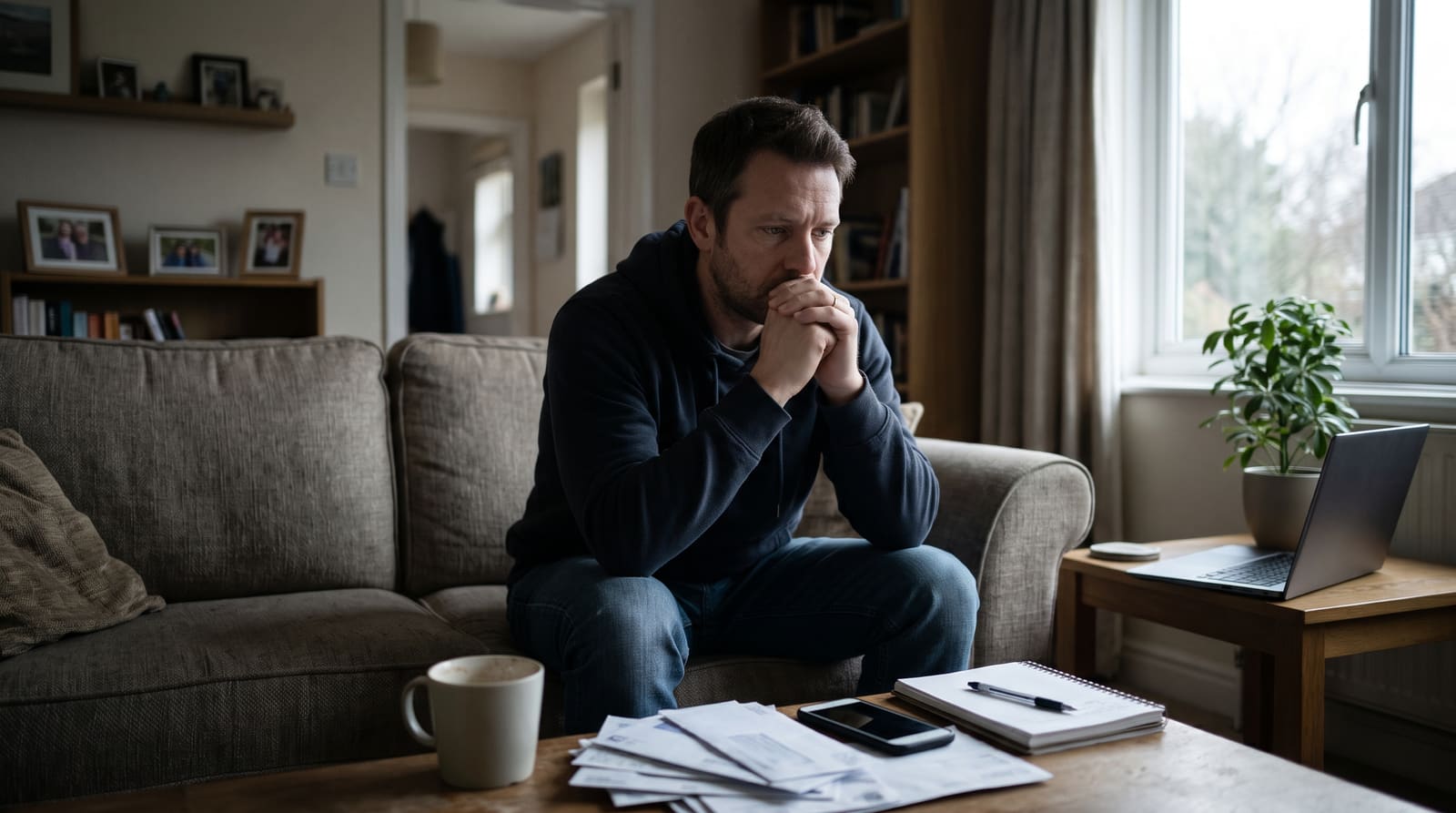
Losing someone you love can change almost every part of your life. Whether you have lost a parent, partner, child, sibling, close friend, or another important person, grief can affect your emotions, relationships, routines, and sense of the future.
You may experience sadness, anger, guilt, confusion, loneliness, or even emotional numbness. Some days may feel manageable, while other days bring back difficult emotions unexpectedly. You might also find it hard to concentrate, sleep, maintain relationships, or return to everyday responsibilities.
There is no single correct way to grieve, and there is no universal timetable for adjusting to a loss.
Grief counseling can provide a supportive place to process your loss, understand your emotions, and explore ways to adjust to life without the person who died. It does not require you to forget your loved one, stop missing them, or move forward before you are ready.
This article explains what grief can look like, how bereavement counseling works, when professional support may be helpful, and how Riaz Counseling supports people navigating grief and loss.
Key Highlights
- Grief is a natural response to losing someone important, and people experience it in different ways.
- There is no fixed sequence of grief stages or deadline for feeling better.
- Grief counseling can help people process difficult emotions, manage changes in daily life, and develop coping strategies.
- Persistent, intense grief that significantly interferes with everyday functioning may require professional assessment and specialized treatment.
- Riaz Counseling offers grief and loss counseling in the Houston area, with in-person and online therapy options.
What Is Grief, and Why Can Losing Someone Be So Difficult?
Grief is the emotional, psychological, and sometimes physical response to losing someone or something meaningful. When a loved one dies, the experience is often called bereavement.
The relationship you shared with that person can influence how you experience the loss. Losing a spouse may affect your daily routines, identity, and sense of companionship. Losing a parent may change your understanding of family and your place within it. Losing a child can affect nearly every part of a parent's life.
Even when a death is expected after a long illness, the experience can still be deeply painful.
Grief may involve:
- Sadness or frequent crying
- Anger, frustration, or resentment
- Guilt about things said or left unsaid
- Shock or disbelief
- Loneliness and a sense of emptiness
- Difficulty concentrating
- Changes in appetite or sleep
- Low energy or physical exhaustion
- Anxiety about the future
- Difficulty imagining life without the person
The Centers for Disease Control and Prevention (CDC) recognizes that grief can affect mood, energy, appetite, sleep, and a person's sense of hope or control. These responses can vary considerably between individuals.
Why does grief affect people differently?
No two relationships are exactly alike, so no two experiences of loss are identical.
Your response may be influenced by:
The relationship: The death of someone you spoke with every day may create changes in your routine and emotional support system.
The circumstances of the death: A sudden, unexpected, traumatic, or violent death may bring additional shock, unanswered questions, or distress.
Your support system: Having people you trust can make it easier to talk about your feelings and manage practical responsibilities.
Other life pressures: Work, parenting, financial responsibilities, health concerns, and other stressful experiences may make grieving more difficult.
Personal and cultural beliefs: Family traditions, religious beliefs, cultural expectations, and personal experiences can influence how someone understands and expresses grief.
Understanding these differences matters because grief counseling should respond to the person and their circumstances, not follow a one-size-fits-all formula.
Is There a Normal Way to Grieve?
One of the most common misconceptions about grief is that everyone moves through the same stages in a predictable order.
You may have heard about the five stages of grief:
- Denial
- Anger
- Bargaining
- Depression
- Acceptance
These concepts are sometimes used to describe experiences associated with loss, but they should not be treated as a required sequence. People do not necessarily experience every stage, and they do not move through grief in a straight line.
For example, someone may feel acceptance about the circumstances of a death while still experiencing sadness and longing. Another person may feel relatively stable for several weeks and then become overwhelmed around a birthday, holiday, or anniversary.
The American Psychological Association (APA) explains that people respond to bereavement differently and that there is no single normal timeline for grief. Many people gradually adapt with time, social support, and healthy coping habits.
Grieving differently does not mean you are doing something wrong.
You do not have to compare your experience with someone else's or judge your progress based on how quickly you return to your usual routine.
What Is Grief Counseling?
Grief counseling is a form of mental health support that helps people cope with the emotional and practical effects of loss.
It provides a confidential, supportive environment where you can talk about the person who died, express difficult feelings, reflect on your relationship, and explore how your life has changed.
A grief therapist does not expect you to forget the person or stop feeling connected to their memory.
Instead, counseling may help you:
- Understand and express complicated emotions.
- Talk about memories without feeling judged.
- Work through guilt, anger, regret, or unresolved questions.
- Adjust to changes in family roles and responsibilities.
- Manage loneliness and changes in relationships.
- Develop practical coping strategies.
- Rebuild routines at a manageable pace.
- Find ways to maintain a meaningful connection with your loved one's memory.
Grief counseling can also be helpful when someone is unsure how to talk about a loss with family members or friends.
Sometimes, people feel pressure to appear strong for everyone else. They may avoid discussing their emotions because they do not want to upset their children, worry their parents, or burden their friends.
Therapy can provide a space where they do not have to hide what they are experiencing.
How Can Grief Counseling Help After Losing a Loved One?
Grief counseling is not about making sadness disappear. It is about helping someone understand and respond to the loss in ways that support their emotional well-being.
Here are several ways bereavement counseling may help.
1. Providing a Safe Place to Express Difficult Emotions
People sometimes feel uncomfortable discussing grief openly.
You might feel angry about the circumstances of the death, guilty about something that happened before it, or frustrated because other people seem to have returned to normal life.
You may also experience emotions that seem contradictory. For example, you might feel relief after a loved one's prolonged illness ends while also feeling deep sadness about their death.
These experiences can be difficult to discuss with people who expect grief to look a certain way.
A grief therapist can help you explore these emotions without judging you or expecting you to feel differently.
You can talk about the parts of your experience that are difficult to explain elsewhere.
2. Working Through Guilt, Regret, and Unanswered Questions
After someone dies, it is common for people to revisit memories and conversations.
You might think:
- "I wish I had spent more time with them."
- "I should have called more often."
- "What if I had done something differently?"
- "I wish I had said goodbye."
- "Why didn't I recognize how serious things were?"
These thoughts can become especially distressing when you repeatedly replay events that cannot be changed.
Counseling can help you examine these thoughts, understand the feelings behind them, and develop a more balanced perspective.
This does not mean dismissing your memories or pretending that every part of the relationship was perfect. It means making room for the full story, including the meaningful moments, difficult experiences, and things you may still be processing.
3. Adjusting to Life Without Your Loved One
Losing someone can change the structure of everyday life.
You may no longer have the person you called after work, the family member who organized holidays, or the partner with whom you shared everyday decisions.
Even ordinary activities can become reminders of the loss.
For example, someone who recently lost a spouse may find grocery shopping difficult because it was something they always did together. A person who lost a parent may struggle with family gatherings that feel different without that parent's presence.
A grief therapist can help you identify which parts of daily life feel most difficult and consider manageable ways to adjust.
This may involve rebuilding routines, identifying sources of support, setting realistic expectations, or gradually returning to activities that matter to you.
4. Managing Loneliness and Social Withdrawal
Grief can make people feel disconnected from others, even when friends and family are available.
You may feel that no one understands what you are experiencing. Conversations that once felt comfortable may now seem difficult, and social gatherings may remind you of the person who is missing.
Counseling can help you explore these feelings and identify forms of connection that feel manageable.
For some people, this may mean reconnecting with a trusted friend. Others may benefit from family conversations, community activities, faith-based support, or a bereavement support group.
The goal is not to force social interaction. It is to help prevent grief from leaving you feeling completely alone.
5. Finding Ways to Remember Your Loved One
Moving forward after a death does not require leaving the person's memory behind.
Many people find comfort in maintaining meaningful connections with their loved one's memory.
This might involve:
- Creating a photo album or memory book.
- Continuing a family tradition.
- Preparing a favorite meal.
- Visiting a meaningful place.
- Sharing stories with family members.
- Supporting a cause that mattered to the person.
- Observing cultural or religious remembrance practices.
The CDC also identifies honoring the memory of someone who has died as one possible way to cope with grief.
A therapist can help you explore ways to remember someone that feel personal and meaningful to you.
6. Understanding Changes in Your Identity and Relationships
A significant loss can change how you see yourself.
You may now think of yourself as a widow, widower, bereaved parent, or someone who has lost a close family member. Responsibilities may shift, family roles may change, and relationships may develop differently.
For example, after losing a parent, an adult may become responsible for organizing family decisions that the parent previously managed.
These changes can bring uncertainty, stress, and questions about the future.
Therapy can provide room to discuss these changes and explore how you want to approach your new circumstances.
What Happens During a Grief Counseling Session?
Starting therapy after a loss can feel unfamiliar, especially if you have never spoken with a therapist before.
You do not need to prepare a complete explanation of what happened or know exactly what you want to discuss.
A first session may involve questions about:
- The person you lost and your relationship with them.
- When and how the death occurred.
- What has felt most difficult since the loss.
- Changes in your sleep, mood, routines, or relationships.
- Your current support system.
- What you hope to gain from counseling.
You can share at a pace that feels comfortable. You do not have to discuss every detail of the death during the first appointment.
What might later sessions involve?
The focus of counseling depends on your experiences and goals.
Some sessions may involve talking about memories, emotions, or difficult moments. Others may focus on practical challenges, coping strategies, communication, or changes in daily responsibilities.
A therapist may help you identify patterns such as avoiding reminders, withdrawing from others, or struggling with guilt.
You and your therapist can also discuss what feels helpful and what does not. The process should be collaborative and responsive to your needs.
Do you have to cry during grief counseling?
No.
Some people cry frequently when discussing a loss. Others feel emotionally numb, become quiet, or find it difficult to express what they feel.
There is no requirement to cry, talk continuously, or demonstrate sadness in a particular way.
You can begin counseling even if you are unsure how to describe your emotions.
What Is the Difference Between Grief Counseling and Bereavement Support?
The terms are sometimes used interchangeably, but they can describe different forms of support.
Grief counseling generally refers to professional counseling focused on understanding and coping with grief.
Bereavement support is a broader term that may include counseling, peer support groups, community programs, family support, and faith-based resources.
For example, someone who has recently lost a parent might attend a bereavement support group to meet others with similar experiences. They may also work individually with a grief therapist to explore personal feelings and family changes.
Neither option is automatically better. The right type of support depends on the person's needs and preferences.
Some people benefit from individual counseling, while others find group support meaningful. Some use both.
When Can Grief Become a More Persistent Mental Health Concern?
Grief is not automatically a mental health disorder.
For many people, grief-related distress gradually becomes less intense over time, although sadness and longing may return during meaningful dates, family events, or unexpected reminders.
However, some people experience intense and persistent symptoms that significantly affect their daily functioning.
One condition associated with this experience is prolonged grief disorder (PGD).
The American Psychiatric Association describes PGD as a condition involving persistent, intense grief following the death of someone close. Symptoms can include intense longing, preoccupation with the deceased, emotional pain, difficulty reconnecting with life, loneliness, and a sense that life has lost meaning.
Under DSM-5-TR criteria, the death must have occurred at least 12 months earlier for adults or at least 6 months earlier for children and adolescents. The symptoms must also cause significant distress or impairment, exceed relevant cultural, social, or religious expectations, and meet other diagnostic requirements.
This does not mean that grief lasting longer than a few months automatically indicates a disorder.
The length and intensity of grief must be understood in context. A qualified professional can help assess whether someone is experiencing typical bereavement, prolonged grief disorder, depression, trauma-related symptoms, or another concern.
Signs that professional support may be helpful
Consider speaking with a mental health professional if you experience:
- Persistent emotional distress that feels difficult to manage.
- Intense guilt, anger, or self-blame.
- Significant difficulty accepting the death.
- Ongoing withdrawal from family and friends.
- Difficulty returning to everyday responsibilities.
- Persistent feelings of hopelessness or meaninglessness.
- Sleep or appetite changes that affect your well-being.
- Increasing difficulty managing work, school, or family responsibilities.
You do not have to wait for symptoms to meet a diagnostic threshold before seeking support.
If you are struggling and would like help understanding your experience, talking with a professional can be a reasonable next step.
What Types of Therapy May Help With Prolonged or Difficult Grief?
The appropriate treatment depends on the person's symptoms, circumstances, preferences, and clinical needs.
Research supports the use of psychotherapy for adults experiencing significant grief-related difficulties.
A 2026 systematic review published in Annals of Internal Medicine examined 169 randomized controlled trials of interventions for bereaved people. The review found moderate-strength evidence that individual psychotherapy improves symptoms related to grief disorder, grief, and depression in bereaved adults. The authors also noted limitations in the available research, including substantial risk of bias and limited studies involving children.
Some approaches that may be considered include:
Cognitive Behavioral Therapy (CBT)
CBT explores the relationship between thoughts, feelings, and behaviors.
In grief-related work, a therapist may help someone identify distressing thought patterns, examine persistent self-blame, and develop ways to respond to difficult emotions.
For example, someone who repeatedly thinks, "I should have prevented the death," may work with a therapist to examine what they knew at the time, what was within their control, and whether their current interpretation is fair to themselves.
CBT-based approaches have also been studied for prolonged grief disorder. A 2024 systematic review and meta-analysis examined 22 studies involving 2,602 bereaved adults and found evidence that grief-focused CBT can reduce prolonged grief symptoms, although the strength of conclusions depends on study quality and other limitations.
Grief-Focused Psychotherapy
Some therapy approaches specifically address prolonged or complicated grief.
They may involve gradually processing the reality of the death, exploring memories, addressing avoidance, and rebuilding a sense of meaning and purpose.
The goal is not to remove the relationship from someone's memory. It is to help them adapt to life after the loss while acknowledging the importance of the person who died.
Support Groups
Bereavement support groups bring together people who have experienced similar losses.
Some participants appreciate being able to speak with others who understand the experience without needing to explain every emotion.
Groups may be organized around particular types of loss, such as losing a spouse, parent, child, or someone to a specific illness.
A support group is not the same as individual therapy, but it may provide an additional source of connection.
Practical Ways to Cope With the Loss of a Loved One
Professional support can be valuable, but there are also small steps you can take in everyday life.
These suggestions are not rules or requirements. Choose what feels realistic for your circumstances.
1. Give Yourself Permission to Feel
You may experience sadness one day, anger the next, and moments of calm in between.
Try not to judge yourself for having different emotional responses.
You do not need to force yourself to feel positive or hide your emotions to make other people comfortable.
If you are unsure what you feel, simply acknowledging that the day is difficult can be a starting point.
2. Maintain Basic Daily Routines
Grief can make ordinary responsibilities feel overwhelming.
When possible, try to maintain a few basic routines:
- Eat regular meals.
- Drink enough water.
- Keep a reasonably consistent sleep schedule.
- Take short walks or engage in gentle movement.
- Attend necessary appointments.
- Break household responsibilities into smaller tasks.
You do not need to return to your previous level of productivity immediately.
Focus on manageable actions rather than expecting yourself to do everything as before.
3. Accept Practical Help
People may offer to prepare meals, help with errands, look after children, or accompany you to appointments.
If accepting help feels difficult, consider identifying one specific task someone could take off your hands.
You might say:
"I appreciate your support. Could you help me with groceries this week?"
Clear requests can make it easier for people to provide meaningful assistance.
4. Talk About Your Loved One When You Want To
Some people worry that mentioning the person who died will make others uncomfortable.
If talking about your loved one feels helpful, you can share memories with people you trust.
You might discuss a favorite story, a family tradition, or something you appreciated about the person.
You also have the right not to talk when you do not feel ready.
5. Prepare for Difficult Dates
Birthdays, anniversaries, holidays, and family celebrations can bring back strong emotions.
Consider planning ahead rather than assuming you will feel the same way you did on an ordinary day.
You might decide to:
- Spend the day with someone you trust.
- Visit a meaningful place.
- Continue a family tradition.
- Set aside time for remembrance.
- Keep your schedule lighter.
- Take a break from social activities if needed.
There is no single correct way to observe an important date.
6. Stay Connected With Supportive People
You do not have to attend every gathering or maintain every social commitment.
However, staying connected with at least a few trusted people may help reduce isolation.
A short phone call, a quiet meal, or spending time with someone who listens can be meaningful.
If your existing support system does not understand your experience, you might consider a bereavement group or professional counseling.
7. Be Patient With Changes in Your Relationships
People grieve differently.
One family member may want to talk about the person who died, while another may prefer to stay busy. One person may want to continue family traditions, while another may find them painful.
These differences can create misunderstandings.
Try to communicate your needs without assuming that someone else's response means they cared less.
When family disagreements become difficult to manage, counseling may help create space for more constructive conversations.
How Riaz Counseling Can Help With Grief and Loss
Riaz Counseling offers Grief & Loss Counseling in Houston, Texas, for people navigating bereavement and other significant losses.
The practice describes its grief and loss support as a compassionate, non-judgmental space where clients can process emotions at their own pace, learn about the grief process, explore self-care strategies, and receive support for complicated or prolonged grief.
Individual therapy may provide an opportunity to discuss:
- The emotional impact of losing someone.
- Feelings of sadness, anger, guilt, or loneliness.
- Changes in relationships and family responsibilities.
- Difficulty adjusting to everyday life.
- Coping strategies for difficult dates and reminders.
- Concerns about persistent grief or related mental health symptoms.
The right therapeutic approach depends on your individual circumstances and the therapist's areas of practice.
In-Person and Online Counseling Options
Riaz Counseling currently lists three Houston-area office locations:
- Houston Galleria: 5353 W Alabama St, Suite 570, Houston, TX 77056.
- Sugar Land: 1600 Hwy 6, Suite 130, Sugar Land, TX 77478.
- The Woodlands: 2001 Timberloch Place, Suite 500, Spring, TX 77380.
The practice also lists online therapy for people living throughout Texas.
If you are considering grief counseling, Riaz Counseling offers a free 15-minute consultation to discuss your needs and explore whether the practice may be a good fit.
You do not need to know exactly what to say before reaching out. You can begin by explaining that you have experienced a loss and would like support.
Frequently Asked Questions About Grief Counseling
1. What does a grief counselor help with?
A grief counselor helps people process the emotional and practical effects of losing someone. Counseling may involve discussing difficult feelings, working through guilt or regret, managing loneliness, adjusting to changes in daily life, and developing coping strategies.
2. When should I consider grief counseling after losing someone?
There is no required waiting period. Some people seek counseling soon after a death, while others reach out months or years later. Consider professional support whenever grief feels overwhelming, affects your everyday functioning, or becomes difficult to manage without additional help.
3. How long does grief counseling take?
The length of counseling varies. It depends on the person's circumstances, goals, symptoms, available support, and response to therapy. Some people benefit from short-term support, while others may need a longer period of care. You can discuss your goals and progress with your therapist.
4. Is it normal to still grieve years after losing a loved one?
Yes. People may continue to miss someone years after their death. Important dates, memories, and life events can bring back sadness or longing. The presence of grief alone does not mean someone has a mental health disorder. However, persistent and intense symptoms that significantly interfere with daily life may warrant professional assessment.
5. What is the difference between grief and prolonged grief disorder?
Grief is a natural response to losing someone important. Prolonged grief disorder involves persistent, intense grief symptoms that cause significant distress or difficulty functioning and exceed relevant cultural, social, or religious expectations. Under DSM-5-TR criteria, the required duration is at least 12 months after the death for adults and 6 months for children and adolescents. A qualified professional must assess the full diagnostic criteria.
6. Can grief counseling help with guilt after someone's death?
It can. Counseling may help you explore feelings of responsibility, regret, or unresolved conversations. A therapist can help you examine distressing thoughts and consider the circumstances surrounding the loss without dismissing your emotions.
7. What if I do not feel comfortable talking about the person who died?
You do not have to discuss every detail immediately. A therapist can work with you at a pace that feels manageable. You may begin by talking about sleep, stress, daily responsibilities, or how the loss has affected your routine. Over time, you can decide what you feel comfortable exploring.
8. Does Riaz Counseling offer grief counseling in Houston?
Yes. Riaz Counseling lists Grief & Loss Counseling as a specialization and provides in-person services through its Houston Galleria, Sugar Land, and The Woodlands locations. The practice also lists online therapy for people living in Texas. Contact the practice to discuss therapist fit and appointment options.
Conclusion
Losing someone you love can affect your emotions, relationships, routines, and understanding of the future. Grief may bring sadness, anger, guilt, loneliness, confusion, or feelings that are difficult to explain.
There is no single correct way to experience these emotions, and you do not have to follow a specific timeline to adjust to your loss.
Grief counseling can offer a supportive environment to talk about what happened, process difficult feelings, and explore ways to manage life after the death of someone important. It can also help you understand when additional mental health support may be appropriate.
If you are struggling with the loss of a loved one, remember that asking for help does not diminish the relationship you shared. You can continue to honor their memory while also making room for your own emotional well-being.
You do not have to navigate grief alone. Support is available, and you deserve the time and space to process your loss in a way that respects your experience.
Mental Health Disclaimer
This article is intended for general educational purposes. It does not provide a diagnosis or replace individualized mental health care. Grief experiences vary, and a qualified mental health professional can help assess persistent or distressing symptoms and discuss appropriate support.
If you are experiencing thoughts of suicide or self-harm, or believe you may be in immediate danger, seek urgent help. In the United States, call or text 988 to reach the Suicide & Crisis Lifeline. If there is an immediate life-threatening emergency, call 911.
Suggested Internal Links
- Grief & Loss Counseling at Riaz Counseling — the most directly relevant service page for readers seeking grief support.
- Individual Therapy at Riaz Counseling — explains the individual therapy process and what clients can expect.
- Riaz Counseling Specializations — helps readers explore related mental health concerns and services.
- Riaz Counseling Locations — provides information for people seeking in-person counseling in the Houston area.
- Contact Riaz Counseling — offers a way to ask about the free 15-minute consultation and available support.
Sources Used
American Psychological Association (APA): Grief: Coping with the Loss of Your Loved One — grief responses, individual differences, coping, and the absence of a fixed grieving timeline.
American Psychiatric Association: Prolonged Grief Disorder — symptoms, diagnostic considerations, and treatment information.
Centers for Disease Control and Prevention (CDC): Grief — How Right Now — common grief experiences, social support, routines, remembrance, and professional help.
Annals of Internal Medicine / PubMed (2026): Care of Bereaved Persons: A Systematic Review — evidence concerning psychotherapy and other bereavement interventions.
Journal of Consulting and Clinical Psychology / PubMed (2024): Grief-Focused Cognitive Behavioral Therapies for Prolonged Grief Symptoms: A Systematic Review and Meta-Analysis — research on CBT approaches for prolonged grief symptoms.
Journal of Affective Disorders / PubMed (2019): Psychological Interventions for Grief in Adults: A Systematic Review and Meta-Analysis of Randomized Controlled Trials — evidence on psychological interventions for bereaved adults.
Riaz Counseling: Grief & Loss Counseling in Houston, TX — current practice information about grief support and consultation.
Riaz Counseling: Individual Therapy and About Riaz Counseling — current service, location, and online therapy information.
If you feel that you or someone you know may benefit from therapy, please reach out to our office for a FREE 15-minute consultation: LINK.