Topic Understanding
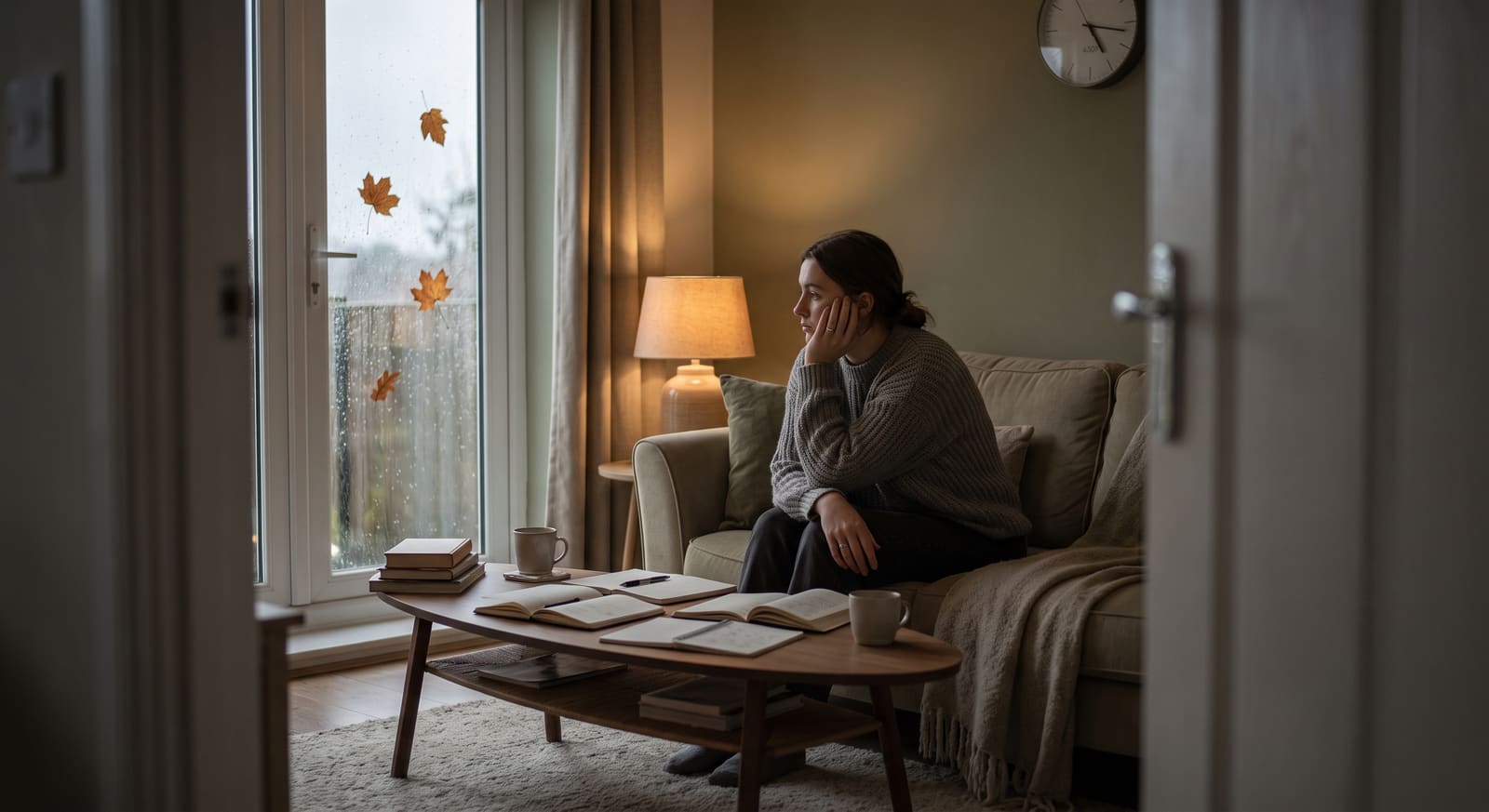
Changes in weather and daylight can affect more than what you wear or how you spend your weekends. For some people, seasonal changes are accompanied by noticeable shifts in energy, sleep, motivation, social activity, or mood.
You may notice that you feel more tired during certain months, have less motivation when the days change, or find yourself withdrawing from people when your usual routine is disrupted. Others may experience more significant and recurring depressive symptoms at the same time each year.
This connection between seasonal changes and mental health is real for some people, but it is not the same for everyone. Feeling different during a particular season does not automatically mean you have a mental health disorder. However, when seasonal changes consistently coincide with significant changes in mood or daily functioning, it may be worth discussing those patterns with a mental health professional.
This article explains how seasons can influence mental health, what researchers know about seasonal affective disorder, how weather and daylight may interact with sleep and daily routines, and when professional support may be helpful.
Key Highlights
- Seasonal changes can coincide with changes in mood, sleep, energy, behavior, and daily routines.
- Seasonal affective disorder (SAD) is a form of depression characterized by a recurring seasonal pattern.
- Winter-pattern SAD is more common than summer-pattern SAD, although depressive symptoms can occur during either season.
- Not every seasonal mood change is SAD. Stress, disrupted routines, sleep changes, and other circumstances can also affect how you feel.
- Professional support may be helpful when seasonal changes repeatedly interfere with relationships, work, school, or everyday functioning.
How Can Seasonal Changes Affect Mental Health?
The relationship between seasons and mental health is complicated.
Changes in daylight can influence biological processes involved in sleep and daily rhythms. NIMH notes that changes in daylight and seasonal night-day cycles may affect serotonin, melatonin, sleep, mood, and behavior in people with seasonal affective disorder.
At the same time, seasons can change your environment and routine.
For example, a change in weather may affect:
- How much time you spend outdoors
- Physical activity
- Social activities
- Sleep schedules
- Work or school routines
- Travel
- Family activities
- Exposure to natural daylight
- How much time you spend alone
This means weather and mood should not be viewed as a simple cause-and-effect relationship.
A person may feel different during a particular season because of several factors happening at the same time.
What Is Seasonal Affective Disorder?
Seasonal affective disorder, commonly called SAD, is a type of depression characterized by a recurring seasonal pattern.
According to the National Institute of Mental Health, most people with SAD experience symptoms beginning in late fall or early winter that improve during spring and summer. This is called winter-pattern SAD.
A smaller number of people experience summer-pattern SAD, in which depressive symptoms begin during spring or summer and improve during fall or winter.
SAD can affect how someone:
- Feels
- Thinks
- Sleeps
- Eats
- Socializes
- Works or studies
- Manages everyday responsibilities
Importantly, SAD is more than simply disliking cold weather or feeling less enthusiastic during a particular season.
Seasonal Depression vs. the "Winter Blues"
It is common to hear people describe themselves as having the "winter blues."
A person might feel less energetic during darker months, prefer staying home more often, or feel disappointed that they have less time for outdoor activities.
These experiences do not automatically indicate depression.
NIMH distinguishes SAD from temporary seasonal stress or "holiday blues." SAD involves a recurring pattern of depressive symptoms associated with a season, while temporary sadness or anxiety may be connected to events such as holiday stress, family conflict, work demands, or changes in school schedules.
The distinction matters because the appropriate response depends on what is actually contributing to the change.
Common Signs of Seasonal Mental Health Changes
Seasonal mental health changes can look different from person to person.
Some people may notice relatively mild changes, such as:
- Lower motivation
- Feeling more tired
- Wanting to spend more time at home
- Changes in sleep
- Less interest in social activities
- Difficulty maintaining routines
- Feeling less energetic
For people experiencing winter-pattern SAD, NIMH identifies additional symptoms such as oversleeping, overeating—particularly carbohydrate cravings—and social withdrawal.
Summer-pattern SAD may involve a different pattern, including difficulty sleeping, reduced appetite, restlessness, agitation, or anxiety.
These symptoms alone do not establish a diagnosis. A mental health professional can consider the broader pattern, duration, severity, and impact on daily life.
Why Does Less Daylight Matter?
Daylight is closely connected with the body's daily biological rhythms.
NIMH explains that seasonal changes in daylight may affect systems involving serotonin and melatonin, which are involved in mood and sleep regulation. In people with SAD, these changes may contribute to disruptions in sleep, mood, and behavior.
This does not mean that everyone who experiences less daylight will become depressed.
It also does not mean that simply getting more sunlight is a universal treatment for depression.
Instead, daylight is one factor that may interact with biological rhythms, sleep, behavior, and other circumstances.
How Seasons Can Disrupt Your Routine
One of the most practical ways seasonal changes can affect mental health is by changing everyday behavior.
Imagine someone who normally walks outside after work.
When the days become shorter, they may stop walking.
They spend more time indoors.
They become less physically active.
They see friends less often.
Their sleep schedule changes.
Over several weeks, they may notice that they feel more isolated and less motivated.
That does not necessarily mean the weather directly caused depression. Instead, several changes in daily life may have happened together.
This is one reason paying attention to patterns can be useful.
Ask yourself:
"What changes when the season changes?"
You may discover that the biggest difference is not the temperature itself but what the season changes about your routine.
Seasonal Changes and Sleep
Sleep is another important part of the picture.
Changes in daylight can affect circadian rhythms—the biological processes that help regulate the sleep-wake cycle.
People experiencing winter-pattern SAD may experience increased sleepiness and oversleeping, while summer-pattern SAD can involve difficulty sleeping.
Even when someone does not have SAD, disrupted sleep can make it harder to manage stress, maintain concentration, and regulate emotions.
That makes sleep worth paying attention to when tracking seasonal changes in your mental health.
Instead of simply asking:
"Do I feel worse in winter?"
You might ask:
"Does my sleep change before my mood changes?"
Patterns like this can give you useful information to discuss with a professional.
How Social Connection Can Change With the Seasons
Seasonal changes can also influence how much time people spend around others.
Cold weather, extreme heat, shorter daylight hours, busy schedules, or changes in activities may lead some people to spend more time at home.
For someone who already feels isolated, that change can be noticeable.
You might:
- Decline invitations more often
- Stop participating in hobbies
- Communicate less with friends
- Spend more time alone
- Feel less motivated to make plans
Social withdrawal is also one of the symptoms associated with winter-pattern SAD.
This is an important area to watch because withdrawing from supportive relationships can sometimes reinforce a cycle of isolation and low mood.
Seasonal Mental Health Is Not Only About Winter
When people hear about seasonal depression, they often think exclusively about winter.
But SAD can also occur during spring and summer.
NIMH identifies summer-pattern SAD as less common than winter-pattern SAD. Symptoms can include insomnia, poor appetite, restlessness, agitation, and anxiety.
This is why it is better to pay attention to your individual pattern rather than assuming that a particular season is always responsible for changes in your mental health.
If your symptoms repeatedly appear during the same season and improve at another time of year, that pattern is worth discussing with a healthcare professional.
What Can You Do When Seasonal Changes Affect Your Mood?
If you notice that your mental health changes with the seasons, start by observing the pattern rather than immediately assuming you know the cause.
1. Track Your Mood
For several weeks, make brief notes about:
- Mood
- Sleep
- Energy
- Appetite
- Social activity
- Exercise or movement
- Time spent outdoors
- Work or school functioning
- Major stressors
You do not need an elaborate journal.
A simple daily rating and a few sentences may be enough.
The goal is to identify patterns.
2. Protect Your Sleep Routine
Try to keep your sleep and wake times reasonably consistent.
If your sleep changes significantly during certain seasons, mention it to a healthcare or mental health professional.
Sleep problems can have many causes, so avoid assuming that a seasonal change is automatically responsible.
3. Maintain Meaningful Activities
When motivation decreases, it can be tempting to stop doing everything that normally brings structure or enjoyment.
Instead, consider maintaining a few realistic activities.
For example:
- Calling a friend
- Attending a regular class
- Continuing a hobby
- Going outside when practical
- Keeping regular meal times
- Maintaining a work or study routine
- Scheduling something to look forward to
The goal is not to force yourself to be constantly productive.
It is to preserve some structure and connection even when motivation is lower.
4. Pay Attention to Social Withdrawal
If you notice yourself repeatedly declining invitations or avoiding people, ask whether you genuinely need time alone or whether low mood is pushing you toward isolation.
You can start small.
A short phone call or coffee with someone you trust may feel more manageable than a large social event.
5. Avoid Self-Diagnosing Based on the Season Alone
Feeling tired during winter does not automatically mean you have SAD.
Likewise, feeling anxious during a particularly stressful summer does not automatically mean you have summer-pattern SAD.
A professional evaluation considers the overall pattern rather than one symptom or one season.
What Treatments Are Available for Seasonal Affective Disorder?
If a healthcare professional determines that someone has SAD, several treatment options may be considered.
NIMH identifies four broad treatment categories:
- Light therapy
- Psychotherapy
- Antidepressant medication
- Vitamin D
The appropriate treatment depends on the individual's circumstances.
Light Therapy
Light therapy is commonly used for winter-pattern SAD.
NIMH describes a typical approach involving a specialized bright light box used for a specific period, often in the morning. However, light therapy is not appropriate for everyone, and people with certain eye conditions or medications that increase light sensitivity may need medical guidance before using it.
Research also supports light therapy as a treatment option for SAD, although studies vary in design and quality. A 2019 meta-analysis of randomized trials found bright light therapy was more effective than placebo for reducing depressive symptoms in adults with SAD, while also noting methodological limitations and the need for larger, higher-quality studies.
A more recent 2025 systematic review and network meta-analysis also found evidence supporting visible-light treatment for SAD, while noting the need for additional research on differences between light types.
Light therapy should therefore be approached as a clinical treatment rather than simply "getting more sunlight."
Psychotherapy
Psychotherapy is another established treatment option for SAD.
NIMH describes cognitive behavioral therapy adapted specifically for SAD, known as CBT-SAD. This approach can address negative thoughts related to seasonal changes and use behavioral activation to encourage meaningful, engaging activities.
NIMH also reports that when CBT-SAD and light therapy were directly compared, both improved SAD symptoms, with some differences in how quickly symptoms improved and how long benefits lasted in follow-up research.
For someone experiencing seasonal mental health difficulties, psychotherapy can provide an opportunity to explore both emotional symptoms and the practical patterns surrounding them.
Medication and Vitamin D
Antidepressant medication may be used for SAD, and vitamin D has also been studied as a treatment for winter-pattern SAD.
However, evidence for vitamin D has been mixed, and medication decisions should be made with an appropriate healthcare professional. NIMH specifically advises people to discuss the potential benefits and risks of treatments with a healthcare provider and not to start or stop medication without professional guidance.
Can Therapy Help With Seasonal Mental Health Changes?
Yes, psychotherapy may be helpful when seasonal changes are accompanied by significant emotional or behavioral difficulties.
Therapy can provide a place to explore questions such as:
- What changes in my life when the seasons change?
- Is my sleep affecting my mood?
- Am I withdrawing from people?
- Are seasonal changes triggering other stressors?
- What thoughts tend to appear during this time of year?
- How can I maintain meaningful routines?
- Do I experience the same pattern every year?
The goal is not necessarily to make you enjoy a particular season.
Instead, therapy can help you understand your experience and identify practical ways to respond to changes in mood, behavior, relationships, or routines.
When Should You Consider Professional Support?
You may want to speak with a qualified mental health professional when seasonal changes repeatedly interfere with your life.
Consider seeking support if you notice:
- Persistent low mood
- Loss of interest in activities
- Significant changes in sleep
- Significant changes in appetite
- Ongoing fatigue
- Increasing social withdrawal
- Difficulty concentrating
- Problems managing work or school
- Relationship difficulties
- Difficulty maintaining everyday responsibilities
- Symptoms that repeatedly return during a particular season
You do not have to wait until symptoms become severe.
A mental health professional can help you understand whether what you are experiencing may be related to depression, SAD, stress, sleep difficulties, another concern, or several factors together.
How Riaz Counseling Can Help
Riaz Counseling provides individual therapy for concerns including depression, anxiety, trauma, life transitions, and other mental health needs. The practice describes individual therapy as a collaborative process between the client and therapist.
Riaz Counseling also lists Depression & Anxiety among its specializations and describes evidence-based approaches including CBT and DBT.
For people seeking local counseling in the Houston area, Riaz Counseling currently has offices in:
- Houston Galleria
- Sugar Land
- The Woodlands
The practice also offers online therapy for people living in Texas.
If you are noticing a recurring change in your mood around a particular time of year, you can bring that observation to a therapist. You do not need to arrive with a diagnosis.
You might simply say:
"I notice that I feel different during certain seasons, and I'm trying to understand why."
That can be a useful starting point for a conversation.
Frequently Asked Questions
Can seasonal changes really affect your mental health?
Yes. Seasonal changes can coincide with changes in daylight, sleep patterns, daily routines, social activity, and other factors that may affect mood. For some people, these changes are associated with seasonal affective disorder.
What is seasonal affective disorder?
Seasonal affective disorder is a type of depression characterized by a recurring seasonal pattern. Most cases follow a winter pattern, but a smaller number follow a summer pattern.
Is feeling sad in winter the same as seasonal depression?
No. Temporary sadness or lower energy during winter does not automatically mean someone has SAD. SAD involves a more significant and recurring pattern of depressive symptoms associated with a season.
Can weather affect your mood?
Weather and seasonal conditions can be associated with changes in mood for some people, but the relationship is not simple. Daylight, sleep, routines, social activity, physical activity, and other circumstances may all change at the same time.
Can therapy help with seasonal depression?
Psychotherapy is one of the established treatment options for seasonal affective disorder. NIMH specifically describes CBT adapted for SAD, which addresses seasonal thought patterns and uses behavioral activation.
Should I use a light box if I feel depressed during winter?
Light therapy can be an appropriate treatment for some people with winter-pattern SAD, but it is not something everyone should automatically use. Certain eye conditions and medications can affect whether light therapy is appropriate. Discuss treatment options with a qualified healthcare professional.
Can seasonal depression happen during summer?
Yes. Summer-pattern SAD is less common than winter-pattern SAD but is recognized by NIMH. Symptoms can include insomnia, reduced appetite, restlessness, agitation, and anxiety.
When should I talk to a therapist about seasonal changes?
Consider professional support when seasonal changes repeatedly affect your mood, relationships, work, school, sleep, or ability to manage everyday responsibilities. A therapist can help you explore the pattern without requiring you to diagnose yourself first.
Conclusion
Seasonal changes can influence more than the temperature outside. Changes in daylight, sleep, routines, social activities, and daily habits can coincide with changes in emotional well-being.
For some people, these changes are temporary and manageable. For others, they may form a recurring pattern of significant depressive symptoms known as seasonal affective disorder.
The important thing is to pay attention to your own pattern.
If you notice that your mood, energy, sleep, motivation, or relationships consistently change during a particular season, consider tracking what you are experiencing and discussing it with a qualified professional.
You do not have to determine on your own whether the cause is seasonal depression, stress, sleep disruption, or something else.
Understanding the pattern is often a useful first step toward finding the right kind of support.
Mental Health Safety Note
This article provides general educational information and is not intended to diagnose or treat a mental health condition. If you are experiencing thoughts of suicide or self-harm, or believe you may be in immediate danger, seek urgent professional or emergency support. In the United States, you can call or text 988 to reach the Suicide & Crisis Lifeline. For an immediate life-threatening emergency, call 911.
Sources Used
National Institute of Mental Health — Seasonal Affective Disorder — Primary source for SAD symptoms, seasonal patterns, possible mechanisms, and treatment options.
PubMed — Effectiveness of visible light for seasonal affective disorder: 2025 systematic review and network meta-analysis — Recent evidence on light therapy for SAD.
PubMed — Efficacy of Light Therapy in the Treatment of Seasonal Affective Disorder — Meta-analysis of randomized controlled trials of bright-light therapy.
Riaz Counseling — Individual Therapy — Current Riaz Counseling information on individual therapy.
Riaz Counseling — Specializations — Current information on Depression & Anxiety and other areas of specialization.
Riaz Counseling — Locations — Current Houston-area locations and Texas telehealth information.
If you feel that you or someone you know may benefit from therapy, please reach out to our office for a FREE 15-minute consultation: LINK.