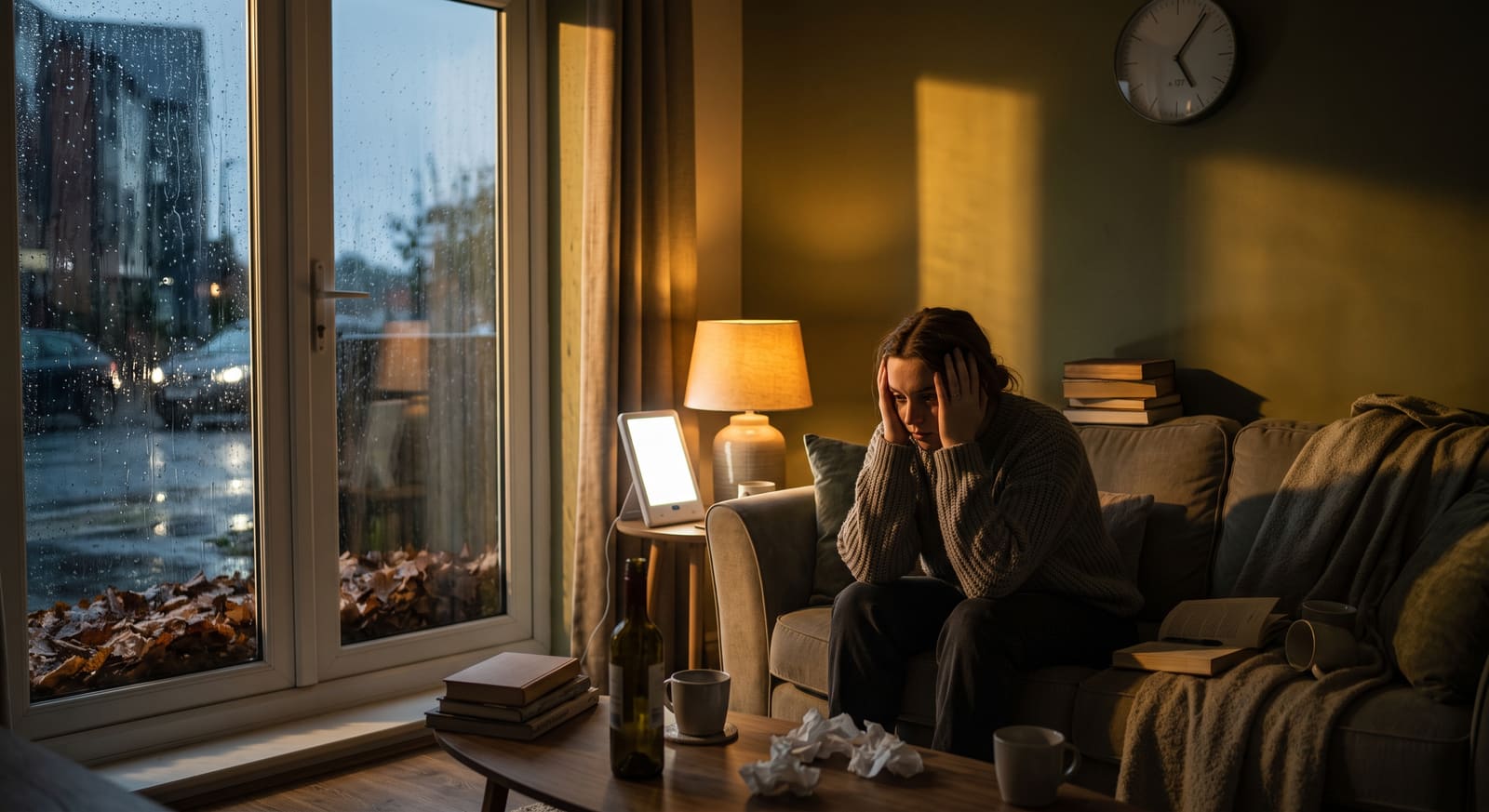
Topic Understanding
Changes in the seasons can affect more than the weather. For some people, changes in daylight, sleep patterns, routines, social activities, and daily responsibilities can also influence mood and energy.
You might notice that you feel more tired during certain months, become less interested in activities you normally enjoy, sleep differently, withdraw socially, or feel more anxious or emotionally overwhelmed when the seasons change.
These experiences do not automatically mean you have seasonal affective disorder (SAD). Many people experience temporary changes in mood or routine without developing a mental health disorder. However, when seasonal changes repeatedly bring significant or persistent symptoms, it may be worth paying closer attention and considering professional support.
This guide explains the connection between seasonal changes and mental health, practical ways to practice seasonal mental health care, when self-care may not be enough, and how therapy can provide additional support.
Key Highlights
- Seasonal changes can affect sleep, daily routines, energy, and mood, although the experience varies considerably from person to person.
- Seasonal affective disorder (SAD) is a form of depression with a recurring seasonal pattern and is different from occasional "winter blues."
- Mental health self-care can include maintaining sleep routines, staying physically active, spending time outdoors, staying connected with others, and making time for enjoyable activities.
- If symptoms persist, become more severe, or interfere with work, school, relationships, or daily responsibilities, talking with a qualified mental health professional may be helpful.
- Riaz Counseling provides individual therapy for concerns including anxiety, depression, stress, and life transitions, with in-person locations in the Houston area and online therapy available throughout Texas.
How Can Seasonal Changes Affect Mental Health?
The changing seasons can alter parts of everyday life that are connected with emotional well-being.
For example, changes in daylight can influence sleep-wake patterns. Seasonal changes may also affect how much time someone spends outside, how physically active they are, their social routines, and how they structure their day.
Sleep and circadian rhythms are closely connected with mental health. Research describes a reciprocal relationship in which disruptions in sleep and circadian rhythms can interact with psychiatric symptoms, although the exact relationship can vary between conditions and individuals.
This means a person might notice a pattern such as:
Season changes → altered routine or sleep → lower energy → less activity → social withdrawal → worsening mood
That pattern does not happen to everyone, and it does not mean that seasonal changes are necessarily the sole cause of someone's symptoms.
The important point is to notice whether your mental health changes consistently when the seasons change and whether those changes affect your daily life.
Seasonal Changes Are Not the Same as Seasonal Affective Disorder
One common misconception is that feeling less energetic during part of the year automatically means someone has SAD.
It does not.
The National Institute of Mental Health describes seasonal affective disorder as a type of depression characterized by a recurring seasonal pattern. In most cases, symptoms begin in late fall or early winter and improve during spring and summer, although some people experience a summer pattern.
SAD can involve symptoms associated with depression, including:
- Persistent sadness or low mood
- Loss of interest or pleasure
- Low energy or fatigue
- Difficulty concentrating
- Changes in sleep
- Changes in appetite or weight
- Feelings of hopelessness, guilt, or worthlessness
- Social withdrawal
- Difficulty managing normal responsibilities
Winter-pattern SAD can also involve oversleeping, increased appetite, carbohydrate cravings, and a desire to withdraw socially. Summer-pattern SAD can involve insomnia, reduced appetite, restlessness, anxiety, or agitation.
A qualified health professional can determine whether symptoms fit SAD or another mental health concern.
What is the difference between the "winter blues" and SAD?
Temporary changes in mood are different from a depressive disorder.
Someone might feel somewhat less energetic during a particular season but continue working, studying, maintaining relationships, and enjoying everyday activities.
SAD involves more significant depressive symptoms that follow a seasonal pattern and can interfere with functioning. NIMH notes that diagnosis involves a recurring pattern of depressive episodes during particular seasons across consecutive years, although not everyone experiences symptoms every year.
In other words, the question is not simply:
"Do I feel different when the season changes?"
A more useful question is:
"How much is this change affecting my mood, behavior, relationships, and ability to function?"
Why Self-Care Matters When the Seasons Change
Mental health self-care does not mean trying to solve every emotional problem on your own.
Instead, self-care involves habits and choices that support your physical and emotional well-being.
NIMH recommends several basic approaches to caring for mental health, including regular physical activity, healthy meals, adequate sleep, relaxing activities, realistic priorities, and maintaining social connections. It also emphasizes that self-care looks different for different people and may require some trial and error.
When seasons change, these basics can become especially useful because routines may change along with the weather, daylight, school calendar, work schedule, or social activities.
1. Protect Your Sleep Routine
Sleep can become disrupted when your daily schedule changes.
Instead of allowing your bedtime and wake-up time to shift dramatically, try to maintain a relatively consistent routine.
You might ask:
- Am I getting enough sleep?
- Has my bedtime changed significantly?
- Am I sleeping much more or much less than usual?
- Do I wake up feeling rested?
- Am I staying in bed because I feel emotionally drained?
NIMH recommends making sleep a priority and maintaining a regular sleep schedule as part of caring for your mental health.
If major sleep changes continue alongside significant mood changes, consider discussing them with a health professional rather than assuming they are simply seasonal.
2. Keep Moving
When energy is low, exercise can be one of the first things to disappear from a person's routine.
You do not necessarily need an intense workout.
Walking, stretching, recreational activities, household movement, or another form of physical activity that feels realistic can help you maintain a routine.
The CDC notes that physical activity can provide immediate benefits, including reduced feelings of anxiety and improved sleep, while regular physical activity is also associated with a lower risk of depression and anxiety.
The goal is not perfection.
A short walk may be more sustainable than creating an ambitious exercise plan that becomes another source of stress.
3. Spend Time Outdoors When Practical
If seasonal changes have caused you to spend more time indoors, consider whether you can safely incorporate some outdoor time into your routine.
This could mean:
- Taking a morning walk
- Sitting outside while having a drink
- Walking during a lunch break
- Spending time in a park
- Exercising outdoors
- Meeting someone outside for conversation
Outdoor activity is not a substitute for treatment when someone is experiencing significant depression.
However, maintaining daily activity and connection with your environment can be part of a broader mental health routine.
4. Stay Connected
Seasonal changes can sometimes make people withdraw.
You might tell yourself:
"I'll reach out when I feel better."
But prolonged withdrawal can also reduce opportunities for meaningful connection.
The CDC identifies social connection as important to mental and physical health and notes that supportive relationships can help people manage stress, anxiety, and depression.
Connection does not have to mean attending a large social event.
You could:
- Call a friend
- Have dinner with family
- Join a small group
- Take a walk with someone
- Attend a community activity
- Check in with a trusted person
- Spend time with someone who makes you feel comfortable
If social situations themselves cause anxiety, that is also worth recognizing rather than simply forcing yourself into more social activities.
5. Keep Enjoyable Activities on Your Calendar
When mood or energy decreases, enjoyable activities can start disappearing from the schedule.
Try not to wait until you feel motivated before doing everything you enjoy.
Instead, consider scheduling small activities that give your day some structure or meaning.
For example:
- Reading
- Cooking
- Listening to music
- Watching a favorite movie
- Creative hobbies
- Exercise
- Time with friends
- Spending time with family
- Visiting a favorite place
NIMH recommends making time for relaxing activities and hobbies as part of mental health self-care.
The goal is not to force yourself to feel happy. It is to continue making room for activities that support your well-being.
6. Pay Attention to Your Seasonal Patterns
One of the most useful things you can do is notice patterns.
Try keeping a simple journal for several weeks or months.
You could track:
| Area | Questions to consider |
|---|---|
| Mood | Do I feel more sad, anxious, irritable, or emotionally flat? |
| Sleep | Am I sleeping more, less, or at different times? |
| Energy | Has my usual energy level changed? |
| Social life | Am I withdrawing from people? |
| Activity | Am I doing fewer things I normally enjoy? |
| Appetite | Have my eating patterns changed? |
| Functioning | Is it harder to work, study, or manage responsibilities? |
| Timing | Does this happen around the same time each year? |
You do not need to diagnose yourself based on these observations.
The purpose is simply to understand your experience more clearly.
That information can also be useful if you eventually speak with a therapist, primary care provider, or other qualified health professional.
What Is Seasonal Mental Health Care?
Seasonal mental health care means paying attention to how changes throughout the year may interact with your emotional well-being and adjusting your support accordingly.
For one person, that might mean protecting sleep and exercise routines.
For another, it might mean planning for increased social connection during a difficult time of year.
For someone else, it may involve working with a therapist before seasonal symptoms become overwhelming.
The most important part is recognizing that mental health care does not have to begin only after a crisis.
If you already know that certain months are difficult for you, you can discuss that pattern with a professional and create a plan that fits your circumstances.
NIMH notes that because SAD tends to follow a predictable seasonal pattern, people with a history of SAD may benefit from discussing the timing of treatment with a health care provider.
Can Therapy Help With Seasonal Mental Health Changes?
Yes. Therapy can be part of treatment for people experiencing seasonal mood changes, including people with SAD.
NIMH identifies psychotherapy as one of the treatment options for SAD. It specifically describes cognitive behavioral therapy adapted for SAD (CBT-SAD), which focuses on changing unhelpful thoughts and behaviors and increasing engagement in meaningful activities.
Therapy does not mean that every seasonal mood change requires a diagnosis or a specialized treatment.
Instead, a therapist can help you understand what is happening and explore whether factors such as anxiety, depression, stress, isolation, sleep changes, negative thought patterns, or major life transitions are contributing to your experience.
What might a therapist for seasonal changes help you explore?
Depending on your circumstances, therapy may involve questions such as:
- What changes when this season begins?
- Have I experienced this pattern before?
- What happens to my sleep and energy?
- Am I withdrawing from people?
- What thoughts tend to appear during this time?
- Are seasonal changes affecting work or school?
- Am I experiencing stress in addition to the seasonal changes?
- What routines help me feel more stable?
- What makes it difficult to maintain those routines?
This approach can make therapy more individualized rather than assuming that everyone experiencing seasonal symptoms needs the same type of support.
Seasonal Depression Therapy: What Can Treatment Involve?
If a person is experiencing SAD, treatment depends on their symptoms, history, health, preferences, and professional assessment.
NIMH identifies four broad categories used in SAD treatment:
- Light therapy
- Psychotherapy
- Antidepressant medication
- Vitamin D
Different approaches may be used alone or in combination, depending on the individual.
Research also supports continued investigation into treatments for SAD. A systematic review found evidence for benefits from bright light therapy for depressive symptoms and circadian disturbances, while noting limitations and heterogeneity across studies.
A 2024 network meta-analysis similarly found evidence that phototherapy can improve depressive symptoms in SAD, but the authors rated the overall evidence quality as low and called for larger, better-designed studies.
This is why treatment decisions should be individualized rather than based on a single article or study.
What about light therapy?
Light therapy is commonly associated with winter-pattern SAD.
NIMH describes bright-light therapy as a treatment involving exposure to a bright light box, generally in the morning during the darker months. However, people with certain eye conditions or who take medications that increase light sensitivity may need medical guidance before using it.
If you are considering light therapy, it is sensible to discuss it with a qualified health professional rather than assuming that any bright lamp or light device is appropriate.
When Is Self-Care Not Enough?
Self-care can be useful, but it has limits.
Consider talking with a mental health professional if your symptoms:
- Persist for two weeks or longer
- Continue getting worse
- Make it difficult to work or attend school
- Affect your relationships
- Cause significant changes in sleep or appetite
- Make it difficult to complete normal responsibilities
- Cause you to lose interest in activities you normally enjoy
- Lead to significant social withdrawal
- Feel difficult to manage on your own
NIMH recommends seeking professional help when distressing symptoms persist or interfere with everyday functioning.
You also do not have to wait until your symptoms become severe.
If you notice a recurring seasonal pattern and want to understand it better, that can be a reasonable reason to start a conversation with a qualified professional.
How Riaz Counseling Can Support Your Mental Health
Riaz Counseling provides individual therapy for concerns including anxiety, depression, stress, trauma, and life transitions. Its current specializations also include Depression & Anxiety, Life Transitions, Grief & Loss, Self-Esteem & Identity, and other areas that may overlap with concerns arising during difficult seasonal periods.
Individual therapy at Riaz Counseling is described as a collaborative process in which clients work with a therapist to understand their concerns and establish goals. The practice currently offers a free 15-minute consultation to help determine fit.
For people in the Houston area, Riaz Counseling currently has offices in:
- Houston Galleria
- Sugar Land
- The Woodlands
The practice also offers online therapy for people living throughout Texas.
If seasonal changes are affecting your mood, energy, relationships, or daily functioning, you can use a consultation to discuss what you have been experiencing and determine whether therapy may be an appropriate next step.
A Simple Seasonal Mental Health Check-In
When a new season begins, consider asking yourself these five questions:
1. How has my mood changed?
Am I feeling noticeably more anxious, sad, irritable, or emotionally drained?
2. How is my sleep?
Am I sleeping substantially more or less than usual?
3. Am I still doing things I enjoy?
Have I stopped participating in activities that normally matter to me?
4. Am I staying connected?
Am I maintaining meaningful contact with friends, family, coworkers, or other supportive people?
5. Is this affecting my life?
Is it becoming harder to work, study, maintain relationships, or manage everyday responsibilities?
You do not need perfect answers.
The purpose of a check-in is to notice changes early enough to respond thoughtfully.
Frequently Asked Questions
Can seasonal changes really affect your mental health?
They can. Changes in daylight, sleep, circadian rhythms, routines, activity levels, and social patterns may interact with mental health. However, the effect varies from person to person, and not every seasonal mood change indicates a mental health disorder.
What is seasonal affective disorder?
Seasonal affective disorder is a type of depression characterized by a recurring seasonal pattern. Winter-pattern SAD is more common, although some people experience symptoms during spring or summer.
What are some ways to care for your mental health during seasonal changes?
Helpful habits may include maintaining a consistent sleep schedule, staying physically active, eating regular balanced meals, spending time outdoors when practical, maintaining social connections, and making time for enjoyable activities. These habits support overall mental health but are not substitutes for professional treatment when significant symptoms are present.
Can therapy help with seasonal depression?
Yes. Psychotherapy is one of the treatment approaches identified by NIMH for SAD. Therapy can also help someone explore related concerns such as depression, anxiety, withdrawal, stress, negative thought patterns, and changes in daily functioning.
Is feeling tired during a seasonal change normal?
Some changes in energy or routine can occur as the seasons change. However, persistent or significant fatigue—especially when combined with depressed mood, loss of interest, sleep changes, or difficulty functioning—deserves attention from a qualified health professional.
When should I see a therapist for seasonal changes?
Consider professional support when seasonal symptoms are persistent, distressing, worsening, or interfering with your relationships, work, school, sleep, or everyday responsibilities. You can also seek help simply because you want to understand a recurring pattern.
Does Riaz Counseling offer therapy in person?
Yes. Riaz Counseling currently offers in-person therapy through its Houston-area offices in Houston Galleria, Sugar Land, and The Woodlands, as well as online therapy for people living throughout Texas.
Conclusion
Seasonal changes do not affect everyone in the same way. For some people, a new season brings little more than a change in routine. For others, changes in daylight, sleep, activity, social connection, and daily structure can coincide with meaningful changes in mood and energy.
That is why caring for your mental health throughout the year matters.
Simple habits such as protecting your sleep routine, staying active, maintaining meaningful connections, spending time outdoors when practical, and making room for enjoyable activities can support overall well-being. At the same time, self-care should not become a reason to ignore persistent or worsening symptoms.
If you notice that certain seasons consistently bring significant changes in your mood or functioning, consider talking with a qualified mental health professional. Understanding the pattern is often an important first step toward finding the support that fits your needs.
Mental health care does not have to wait until things become overwhelming. Paying attention to your patterns, taking your well-being seriously, and asking for support when you need it are all meaningful forms of caring for your mental health.
Mental Health Disclaimer
This article is intended for general educational purposes and does not diagnose or treat any mental health condition. Seasonal symptoms can have different causes, and a qualified health professional can help determine what may be contributing to your experience and what type of support may be appropriate.
If you are experiencing thoughts of suicide, self-harm, or immediate danger, seek urgent help rather than relying on this article. In the United States, you can call or text 988 for the Suicide & Crisis Lifeline or call 911 in a life-threatening emergency.
Sources Used
National Institute of Mental Health (NIMH), Seasonal Affective Disorder — symptoms, seasonal patterns, diagnosis, treatment, psychotherapy, and light therapy.
National Institute of Mental Health (NIMH), Caring for Your Mental Health — self-care, sleep, exercise, relaxation, priorities, social connection, and when to seek help.
Centers for Disease Control and Prevention (CDC), Social Connection — relationship between social connection and mental/physical health.
CDC, Managing Stress — practical approaches involving sleep, activity, outdoor time, gratitude, and connection.
PubMed, systematic review of treatments targeting mood and circadian disturbances in SAD.
PubMed, 2024 network meta-analysis of treatment measures for SAD.
PubMed, systematic review of lifestyle modification interventions for SAD.
Riaz Counseling, Individual Therapy — current therapy services and what clients can expect.
Riaz Counseling, Our Specializations — current areas including Depression & Anxiety and Life Transitions.
Riaz Counseling, Therapy Locations — current Houston-area offices and statewide online therapy.
If you feel that you or someone you know may benefit from therapy, please reach out to our office for a FREE 15-minute consultation: LINK.